
Splinter Groups and the Role of Associations
Every association will experience disagreement.
Members will question decisions. Different groups will want different priorities. Some will believe the association is moving too quickly, while others will argue it is not changing fast enough.
That tension is not necessarily a sign that something is wrong. In many cases, it is simply the reality of representing a diverse community.
The greater challenge begins when disagreement becomes disconnection.
Across industries and professions, small groups of members sometimes break away from established associations to create their own networks, communities, online groups or advocacy movements.
Some become constructive alternatives that serve a genuine unmet need. Others become defined by frustration, grievance or opposition to the established organisation.
For association leaders, the important question is not simply how to stop splinter groups forming.
It is what their formation might be telling you about the community you lead.


Why Splinter Groups Form
Splinter groups rarely appear without a catalyst. They commonly emerge when people believe they are not being heard, represented or included in the direction of the organisation.
Common triggers include:
- Disagreement with a particular policy or strategic decision
- Frustration with leadership or governance
- Differences between generations, regions or professional groups
- A perception that the association represents only part of its membership
- Dissatisfaction with communication or consultation
- A belief that change is happening too slowly
- Changing member expectations that the existing association has not recognised.
Importantly, a concern does not need to be objectively correct to influence behaviour. If members feel disconnected, that perception matters because it shapes how they respond, who they speak to and whether they remain engaged with the association.
Strong associations therefore need mechanisms that allow dissatisfaction to surface before it becomes disengagement. The objective should not be unanimous agreement, because that is unrealistic. The objective is for members to believe they have been heard, understand how decisions are made and remain connected to the organisation even when they disagree with a particular outcome.
Social Media Has Changed the Dynamics
Historically, organising a breakaway group required significant effort. Today, a Facebook group, WhatsApp chat, LinkedIn community or private messaging channel can connect dissatisfied members almost instantly.
That can be positive. Digital communities allow people with shared interests to find one another, build professional networks and raise issues that may otherwise be overlooked. The same tools, however, can also accelerate division by allowing frustration to spread quickly and without context.
A concern raised by one person can become a conversation between dozens of people who share similar frustrations. Information can circulate without context, assumptions can become accepted as fact, and individual decisions can be interpreted as evidence of a broader organisational problem. The association may not even know the conversation is occurring until the narrative is already well established.
This creates a difficult environment for leaders. Respond too aggressively and the association may appear defensive; ignore the conversation entirely and misinformation or frustration may continue unchecked. The answer is not to try to control every conversation, but to ensure the association remains a trusted source of information and a credible place for members to raise concerns.


Small Groups Can Have a Large Voice
One of the challenges of managing member sentiment is distinguishing between the loudest voices and the broader view of the membership. A highly active group of 20 members can create the impression of widespread dissatisfaction within an organisation representing thousands.
That does not mean their concerns should be dismissed, nor does it mean their views automatically represent the wider membership. Associations need reliable ways to understand sentiment beyond individual conversations and social media commentary.
Useful mechanisms include:
- Regular member research
- Structured consultation
- Member advisory groups
- Open forums and town halls
- Engagement data
- Clear feedback channels
- Direct conversations with different member segments.
The more evidence an association has about what its members actually think, the less likely leadership is to overreact to individual voices or underestimate genuine emerging concerns. The discipline is to listen carefully, test the evidence and respond proportionately.
When Disagreement Becomes Grievance
There is an important distinction between healthy disagreement and a culture built around grievance. Healthy disagreement focuses on the issue and asks whether a decision should change, whether a policy is appropriate or whether members would benefit from a different approach.
Grievance cultures can become more personal. The conversation can shift from “We disagree with this decision” to “The people making this decision cannot be trusted.” Once that shift occurs, productive dialogue becomes significantly harder.
Personal attacks, speculation about motives and repeated misinformation can undermine relationships across an entire community. Association leaders should resist being drawn into the same behaviour and keep the response focused on facts, process and purpose.
A strong response may involve:
- Correcting misinformation where necessary
- Explaining how and why decisions were made
- Providing evidence where appropriate
- Inviting constructive participation
- Keeping discussion focused on issues rather than personalities.
Leadership credibility is often strengthened when criticism is handled calmly, consistently and professionally. The goal is not to win every argument, but to protect trust in the organisation and maintain the conditions for constructive dialogue.


Transparency Is One of the Strongest Defences
Information gaps create space for alternative narratives. When members do not understand why a decision was made, they will often develop their own explanation, and that explanation can quickly become more influential than the original facts.
That is why transparent communication matters. Associations do not need to disclose every internal conversation or commercially sensitive detail, but members should generally understand:
- What decisions have been made
- Why they were made
- What evidence informed them
- Who was responsible for the decision
- How members were consulted
- What happens next.
This becomes particularly important when an association is making difficult or unpopular decisions. Silence rarely makes disagreement disappear; more often, it creates a vacuum that others will fill. Clear communication gives members something reliable to assess and reduces the space available for speculation.
Member Voice Needs Somewhere to Go
One of the strongest ways to reduce unnecessary fragmentation is to create legitimate pathways for disagreement inside the organisation. Members should not need to leave the community to challenge it, and they should have credible ways to question, propose, debate and influence.
Those mechanisms may include:
- Committees and working groups
- Communities of practice
- Member surveys and listening programs
- Annual meetings and member forums
- Advisory panels
- Direct access to elected representatives
- Structured consultation on major decisions.
The structure matters less than whether members believe participation can genuinely influence the organisation. If every consultation appears to produce a predetermined outcome, members will eventually stop participating.
Member voice therefore needs both a channel and a visible response. That does not mean every suggestion is adopted; it means associations close the feedback loop by explaining what was heard, what was considered, what was decided and why. That level of clarity can preserve trust even when members disagree with the final outcome.


Disagreement Can Make Associations Stronger
Associations should not fear disagreement. In fact, organisations that never experience disagreement should consider whether members are engaged enough to care, because different perspectives can expose weaknesses, challenge assumptions and improve decisions.
The leadership task is to create an environment where those differences contribute to progress rather than fragmentation. That requires associations to:
- Clarify the organisation’s purpose and the principles guiding decisions
- Listen to different parts of the membership, not only the most visible voices
- Respond to genuine concerns with evidence and transparency
- Lead through disagreement rather than avoiding it.
Handled well, disagreement can strengthen an association by forcing better conversations, better decisions and greater clarity about what the organisation stands for. The objective is not to remove tension, but to make sure tension is channelled into constructive participation rather than division.
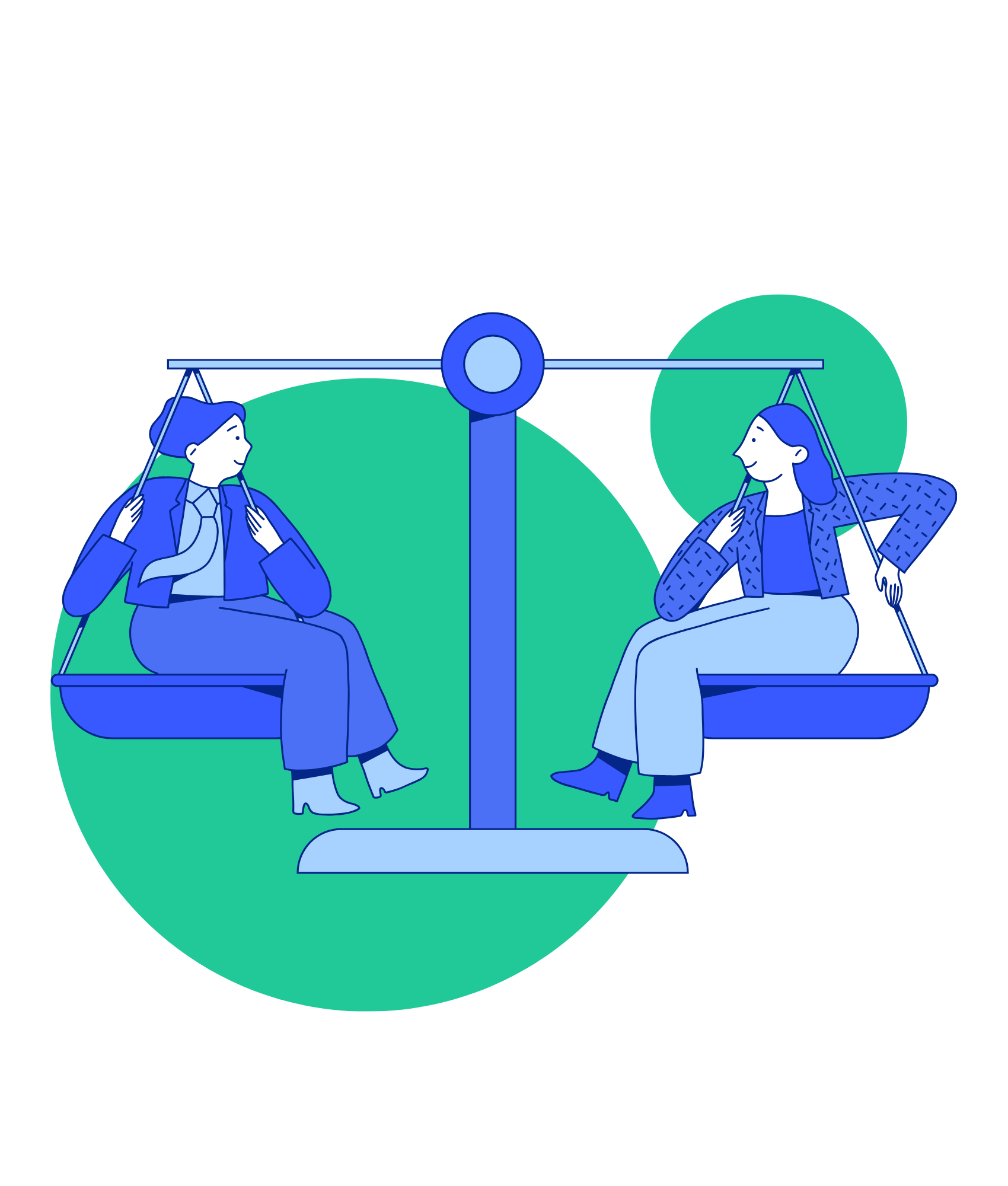
The Strongest Communities Can Disagree
Associations cannot prevent every breakaway movement, nor should retaining every person or every group necessarily be the objective. Sometimes new communities emerge because the market has changed, sometimes different groups genuinely require different models, and sometimes members will simply disagree with the direction an organisation has chosen.
What associations can control is the environment they create. A resilient association gives members meaningful ways to participate, communicates transparently, understands member sentiment, addresses misinformation without becoming defensive and keeps disagreement anchored to issues rather than personalities.
Ultimately, the strength of a member community is not demonstrated by everyone agreeing. It is demonstrated by whether people can disagree and still recognise a shared purpose.
The strongest associations are not those that eliminate dissent. They are those that can turn disagreement into dialogue, dialogue into understanding and understanding into better decisions for the community they exist to serve.
Strong associations are built through strong communities, open conversations and leaders willing to learn from one another. Answers for Associations brings together association professionals from across Australia and New Zealand to share ideas, test thinking and navigate the challenges that come with leading member-based organisations. Join Answers for Associations and become part of a community focused on helping associations stay relevant, connected and resilient. Become a member today.