
How to Lead Through Change

People experience change differently. Some are energised by the idea of what's possible.
Others feel instantly overwhelmed, wary or just plain exhausted by the thought of “yet another initiative.” Our appetite for change and how we perceive it, shapes everything from how we show up at work to how we lead others through uncertainty.
In the association and not-for-profit space, change isn’t just inevitable - it’s constant. So, the question isn’t if we lead change, but how.
In our recent webinar, Leading Your Team Through Change, we welcomed US-based strategist Lowell Aplebaum, EdD, FASAE, CAE, CPF to unpack what meaningful, people-first change leadership looks like in practice.
Here’s what stood out and how to apply it right away.
Change for the Sake of Change? Hard Pass.
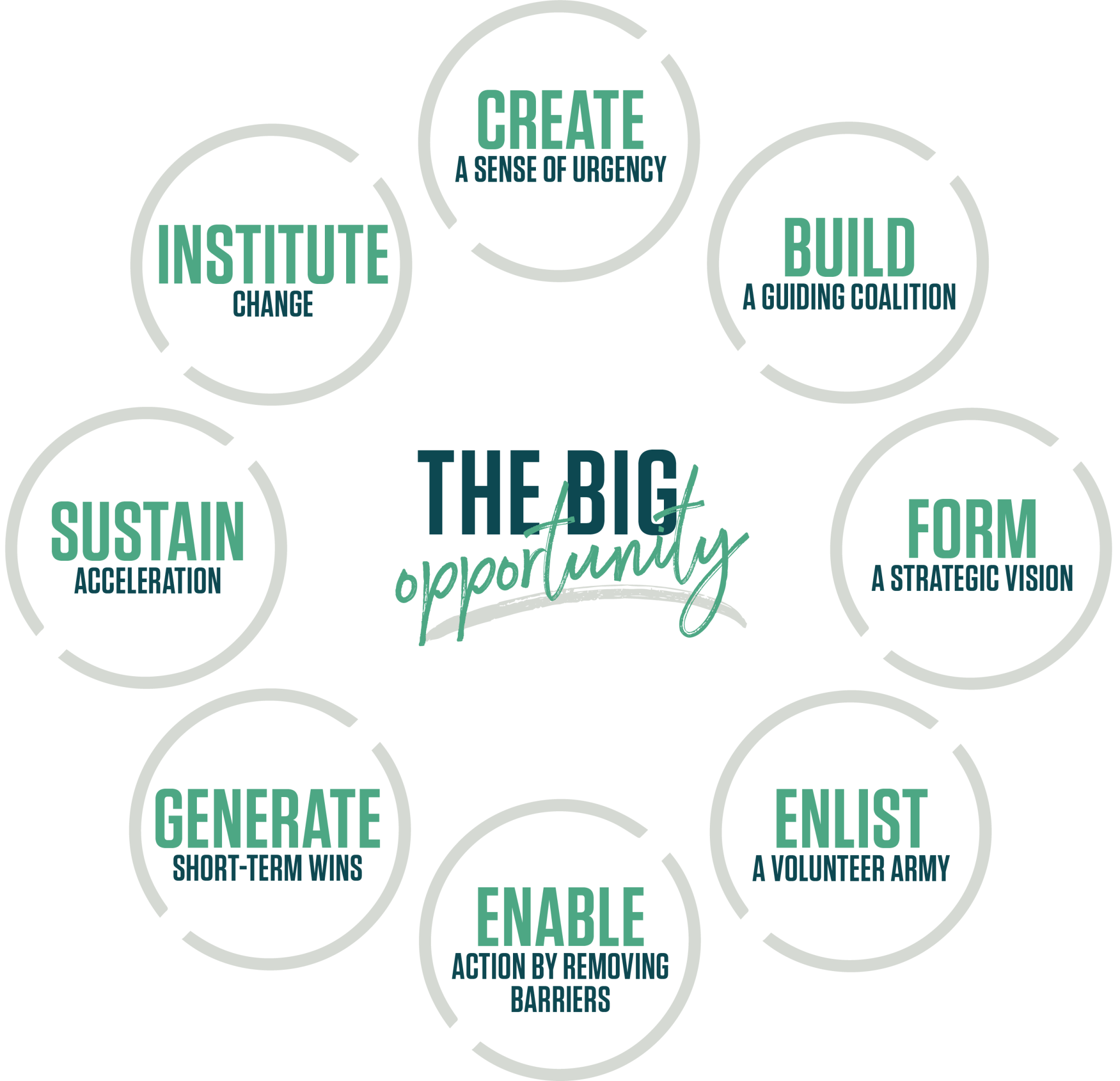
Change needs a why. One of the strongest takeaways from our conversation was - Don’t jump into change because it feels like you should. Instead, get crystal clear on the urgency:
- What’s the problem we’re trying to solve?
- What happens if we don’t?
- What’s the opportunity on the table right now?
Understand Your Team’s Change Archetypes
Lowell introduced four change archetypes. Every team has a mix:
- Explorers love the new and unknown
- Stabilisers protect what works
- Analysts need data and process
- Connectors care deeply about how people feel
Most leaders communicate in the style that matches their own archetype. But here’s the kicker: Change messaging needs to be designed for all four types. If you’re not doing that, you’re losing people.
Action tip: Identify your dominant archetype. Then ask: who’s missing from your planning table?
Not Everything Is a Priority
That means:
- Set 3–5 active priorities at a time (not 20)
- Focus on what’s mission-critical
- Be ruthless about what gets airtime in your weekly meetings
Try this: Create a “High-Level Agenda” document that clarifies what matters this month. Refer to it often. If it’s not on the agenda, don’t obsess over it.
The Energy of Change Comes from Wins
People don’t stay motivated by a five-year plan. They stay motivated by short-term wins.
- Build visible markers of progress into your strategy.
- Celebrate meaningful change - early and often.
- Offer recognition that matters to your team.
Leading change is hard but leading without a plan for change is harder.
If this has you nodding along, you’ll want to watch the full webinar replay.
And here’s the final takeaway: Leading change is hard but leading without a plan for change is harder. If any of this has you nodding along, you’ll want to watch the full webinar replay.
Join the Answers community (for free) to gain access.
We’re not here to play it safe. We’re here to change the way the association world connects, leads, and learns because real progress doesn’t happen by staying comfortable.