
The Attention Advantage in an Age of AI | MCI Group
Associations have never had more ways to reach people.
AI can help create more content, personalise communications, automate interactions and increase the speed at which organisations engage with members and audiences.
But more activity does not automatically mean more attention.
As people face an increasing volume of information, communications and digital interactions, the challenge is shifting from simply being seen to creating something people genuinely choose to spend time with.
For associations, that distinction matters. Engagement cannot be measured only by reach, clicks or interactions, it also needs to create relevance, trust, participation and connection.
In this article, AFA Partner MCI draws on insights from SXSW London 2026 to explore what it takes to earn attention in an AI-shaped environment, and why the organisations that stand out will be those that combine the speed and capability of technology with human creativity, judgement and meaningful experiences.
At mci group, we believe the next era of growth will belong to brands that move people, not just reach them.
SXSW London brought that belief into focus. In a world shaped by AI, disruption and constant content, the challenge for brands is no longer how to be seen. It is how to be worth people’s time.
Engagement is easier than ever to generate, automate and optimise. Attention is harder to earn.
Attention is chosen. It is the moment someone stops, listens, feels something and gives a brand their time.
That is where the opportunity lies: designing experiences, content and communications that create relevance, build trust and drive meaningful growth.
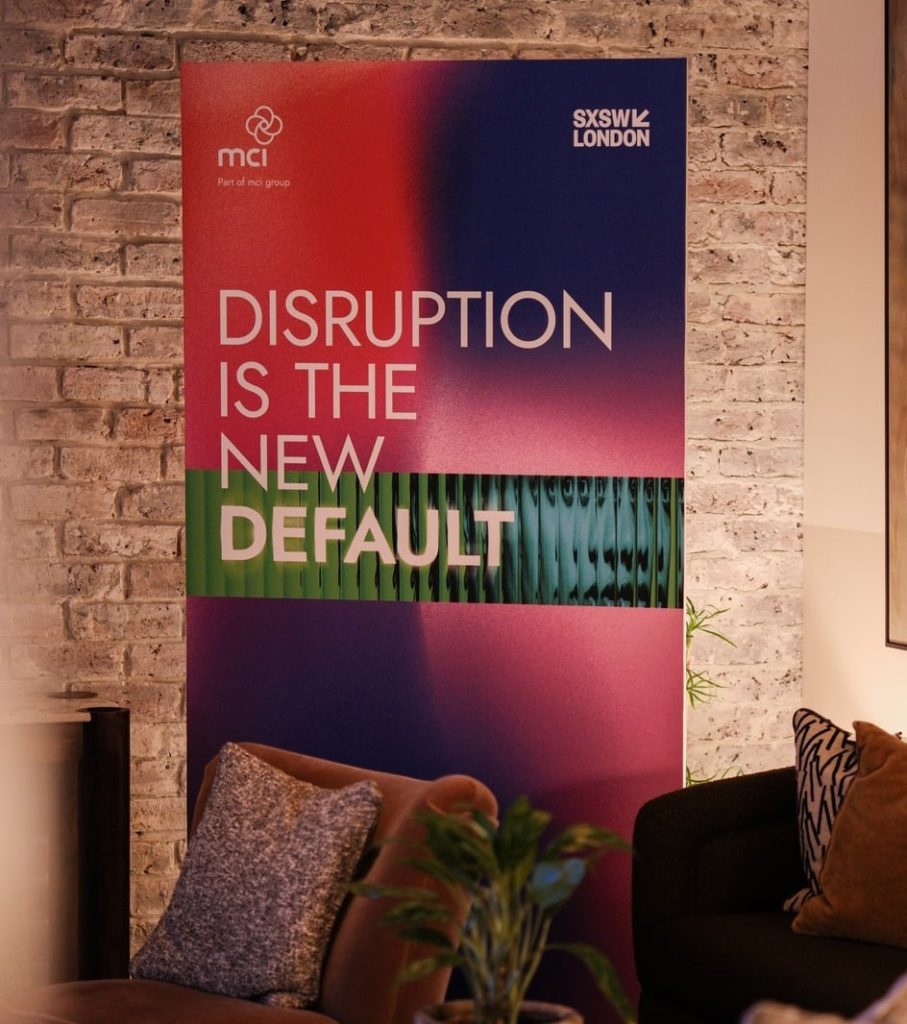
The engagement landscape has changed. Has your experience strategy?
AI has changed what brands can make. More content. More messages. More interactions. More speed. But more does not mean more meaningful.
The brands that lead will not be the ones that simply produce more. They will be the ones that create moments people choose to spend time with. This is the shift from engagement as activity to engagement as impact.
From reach to relevance.
From performance to preference.
From attention captured to attention earned.

Who owns creativity now?
The debate is no longer whether AI belongs in the creative process. It already does. The real question is who sets the direction. AI can generate, remix, accelerate and scale. But creativity is not the ability to make more. It is the ability to make meaning.
Creativity is judgement: taste, timing, originality, cultural understanding and the instinct to know what will matter before it becomes obvious. As AI becomes more capable, the human role becomes more important. The future of creativity will not belong to brands that use AI to replace imagination. It will belong to brands that use AI to amplify it.

The limits of artificial engagement.
AI is making engagement easier to manufacture. It can create more content, personalise more messages, automate more interactions and optimise more journeys. On paper, that can look like progress. But engagement that is generated too easily can become a weak signal.
More interaction does not always mean more interest. More content does not always mean more meaning. More personalisation does not always mean more relevance. Artificial engagement can simulate attention without earning it. The opportunity is to design for attention with depth: attention that creates memory, builds trust and moves people to think, feel and act.
Experience is where attention becomes human.
Experience is not just another channel. It is where attention becomes physical, emotional and shared. In a world of automated content and constant digital interruption, experience gives brands something increasingly rare: a moment people choose to enter.
At its best, experience turns a brand from something people see into something people feel. It creates participation, not just consumption. Memory, not just visibility. Community, not just contact. Attention is not earned by volume. It is earned by relevance, trust and human connection.

Trust is the filter.
As content accelerates, trust becomes the filter people use to decide what deserves their attention. Audiences are not short of information. They are short of reasons to care.
Trust is built when a brand shows up with consistency, credibility and purpose. It is built when every interaction feels considered, useful and human. People give their time to the brands, communities and experiences that feel worth it. For leaders, trust is no longer a soft outcome. It is a strategic condition for attention, influence and growth.
The real question?
So when we ask, “Are you ready to compete for attention?”, the deeper question is this:
Are you ready to create something worth paying attention to?
AI can generate engagement. The opportunity is to use intelligence human and artificial to create meaning.
Because reach is not attention. Interaction is not connection. Engagement is not always value.
The next advantage belongs to brands that combine the speed of technology with the depth of human experience. Brands that know when to automate and when to bring people together.
Brands that understand attention is not captured. It is earned.
That is where mci group leads: designing human-first experiences, content and communications that move people, build trust and create measurable impact.
For associations, the opportunity created by AI is significant, but the goal should not simply be to produce more communications, automate more interactions or increase the volume of content members receive.
The stronger opportunity is to use technology to create experiences and communications that are more relevant, useful and worth people’s time.
For association leaders, there is a useful question to consider:
Are we measuring how much engagement we generate, or whether we are creating something members genuinely choose to pay attention to?
If the answer is unclear, the next step may not be another channel or another piece of content. It may be to look more closely at where members experience genuine value, which interactions build trust and connection, and where human judgement and creativity can make the experience more meaningful.
AI can increase speed and scale, but MCI’s argument is that human creativity, trust and shared experiences remain central to turning attention into connection and impact.
The objective is not simply to capture attention, it is to earn it.
A big thank you to MCI for sharing this perspective and continuing to contribute practical thinking around audience engagement, creativity and human connection in an increasingly AI-shaped environment.
About MCI
MCI is a global, human-first marketing communications group working with associations, brands and institutions across strategy, communications, events, technology, research and community. Its work focuses on creating relevant human experiences that build connection, trust and measurable impact.